
Voice that still works when the internet does not.
IP telephony
Enterprise cloud VoIP, UCaaS and SIP trunking migration, with managed voice operations and 24/7 support — integrated with paging, radio and emergency systems.
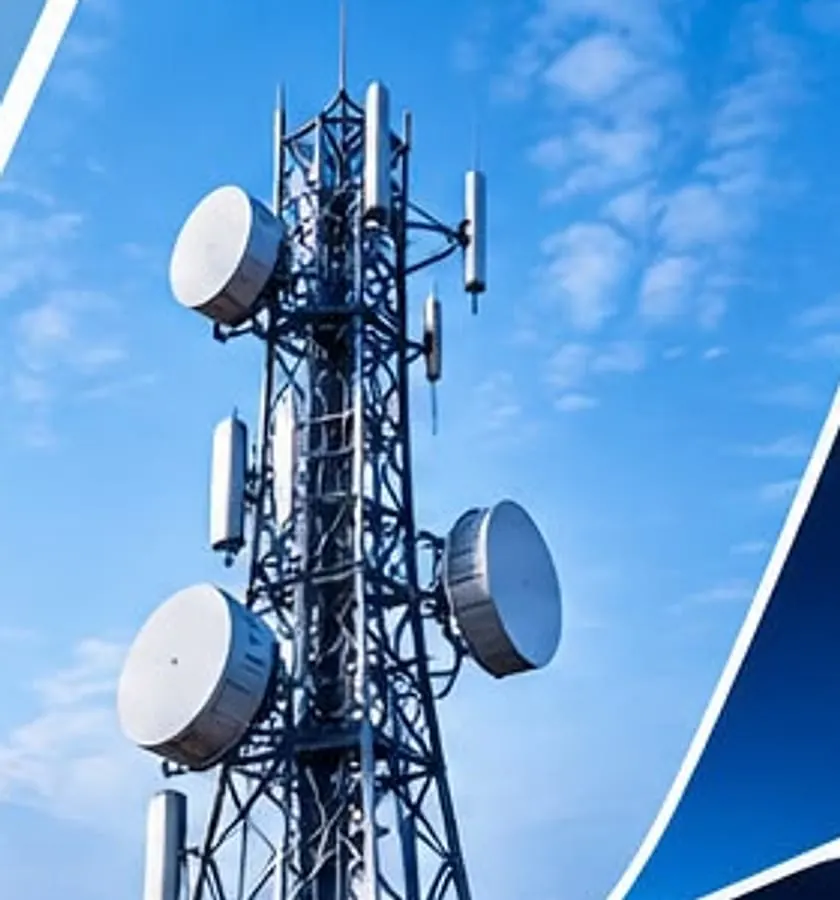
Telephony gets treated as a commodity until the day a site loses its uplink and discovers that the control room phone, the gatehouse and the emergency number all lived in someone else's cloud.
We design and deliver IP telephony for sites where voice is operational rather than administrative: survivable, prioritised on the network, and wired into paging, radio and alarm systems instead of sitting beside them.
Survivable by design
Local call processing or a survivable branch gateway so internal and emergency calling continue through a WAN failure, tested by disconnecting the link at commissioning.
Cloud VoIP and UCaaS
Enterprise voice, messaging and meetings on one unified cloud platform, with survivable local options for the sites that cannot depend on the WAN.
SIP trunking migration
Move from legacy PBX and ISDN lines to resilient, cost-efficient SIP, with number porting, dial plan and failover routing planned before cutover.
Managed voice operations
Call quality monitoring, security and 24/7 support for your IP telephony, from engineers who already have your configuration on file.
Capabilities
Scope of work
Platform
- Call control
- Cloud VoIP and UCaaS, or hybrid and on-premise SIP platforms, vendor-independent
- Trunking
- SIP trunking migration from legacy PBX and ISDN, failover routing and least-cost policy
- Session border control
- SBC deployment for topology hiding, media handling and trunk security
- Survivability
- Local survivable gateways with defined behaviour during WAN loss
Endpoints and mobility
- Desk and softphone
- Deployment, provisioning and directory integration
- DECT
- Site-survey-based multi-cell DECT design with roaming and handover verification
- Industrial
- Weatherproof and hazardous-area telephones for plant and perimeter
- Conferencing
- Room systems and control-room conference facilities
Integration
- Paging
- Zone and all-call paging dialled directly from any handset
- Radio
- Gateways between telephony and LMR talkgroups
- Alarms
- Automated call-out and escalation triggered from DCS, BMS or fire systems
- Business systems
- Directory, presence and CRM integration where required
Quality and assurance
- Network readiness
- Pre-deployment assessment of jitter, latency, loss and capacity
- QoS
- Voice VLAN, DSCP marking and queuing configured and verified end to end
- Codecs
- G.711 and G.729 as bandwidth and quality require, with transcoding where unavoidable
- Emergency calling
- Location handling, on-site notification and routing agreed in writing
- Recording
- Call recording and retention where the operation or regulator requires it
Managed voice operations
- Monitoring
- Call quality monitoring with jitter, latency and loss alerting
- Security
- Toll-fraud protection, SBC policy and platform patching
- Support
- 24/7 support with defined response times
Figures on these pages describe what we routinely deliver. Anything specific to your site is confirmed from a survey before it is priced.
Standards we work to
RFC 3261 (SIP)
Session Initiation Protocol
ITU-T G.711 / G.729
Voice codecs
ITU-T G.114
One-way transmission time (latency budget)
IEEE 802.1p / 802.1Q
Traffic class and VLAN tagging for QoS
IEEE 802.3af/at
Power over Ethernet for endpoints
ETSI EN 300 175
DECT
ANSI/TIA-568
Structured cabling supporting the endpoints
Typical applications
- Cloud VoIP and UCaaS rollout
- Legacy PBX and ISDN to SIP trunking migration
- Managed voice with 24/7 support
- Plant and campus telephony replacement
- Control room and dispatch voice
- Hazardous-area and weatherproof plant telephones
- Multi-cell DECT for maintenance and security teams
- Contact centre and switchboard deployment
- Telephony-to-paging and telephony-to-radio integration
What you receive
- Network readiness assessment with measured results
- Dial plan, numbering and call-routing design
- DECT coverage survey and post-installation validation
- QoS configuration documented across switching and WAN
- Failover test records, including WAN-loss behaviour
- Emergency calling and notification policy, agreed in writing
- User and administrator training, and as-built configuration
Where we do it
Government authorities
Mission-critical radio, secure networks and standby power for public agencies.
Transportation
Operational radio, corridor networks and passenger communications for transport.
Oil & gas
Hazardous-area communications and DC power for plants, terminals and offshore.
Power & utilities
Protection, control, SCADA communications and DC power for grids and substations.
Frequently asked questions
Before you send an enquiry
Cloud or on-premise?
It depends on what happens when the link drops. For an office, cloud is usually the right answer. For a control room, a plant or a transport operations centre, we would want local call processing or a survivable gateway so internal and emergency calling continue regardless. Hybrid covers most sites, and we will show you the failure modes of each before you choose.
Can it talk to our paging and radio systems?
Yes, and that integration is usually where the value is. Dialling a paging zone from any handset, patching a radio talkgroup into a conference bridge, or escalating a process alarm to a call group are all standard. They are designed in from the start rather than retrofitted.
Will it work over our existing network?
We assess that before committing — measured jitter, latency, loss and capacity, not a desk estimate. Where the network needs work first, that becomes part of the scope and is priced separately so you can see what is telephony and what is infrastructure.
Next step
Let’s build a connected tomorrow.
Contact our engineering team to design, upgrade or manage your critical telecom infrastructure. Send a scope, a drawing or just the problem, and we will come back with an approach and a priced proposal.